OEM vs Aftermarket Parts: What Ford Owners Should Know
Compare OEM and aftermarket parts with Fugate Ford in Enumclaw, WA. The right part choice can affect fit, repair quality, safety system operation, service records, warranty support, and long-term ownership value.
If you are repairing or maintaining your Ford, our parts and service teams can help you understand when genuine Ford and Motorcraft parts may be the better fit for your vehicle.
What Is the Difference Between OEM and Aftermarket Parts?
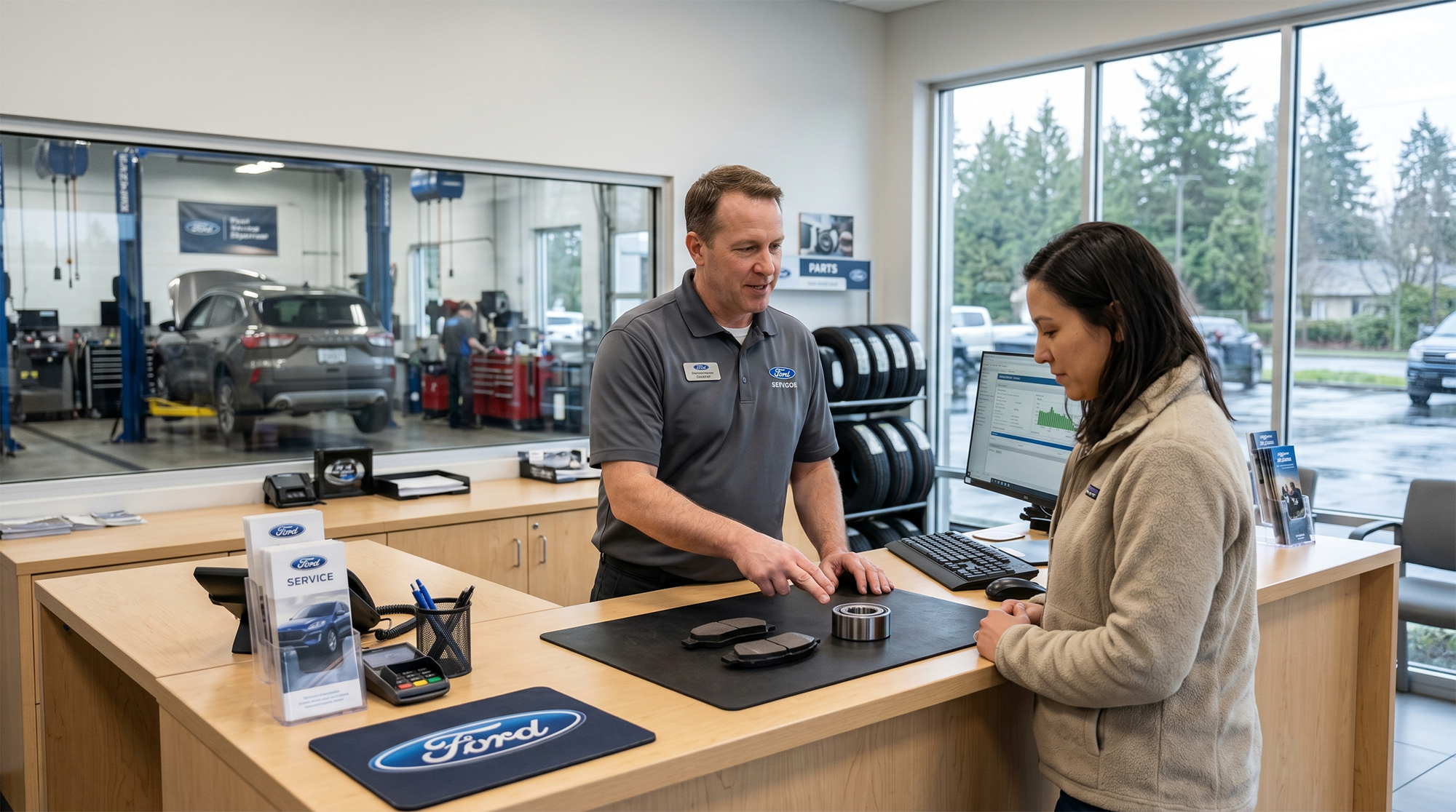
OEM stands for original equipment manufacturer. For Ford owners, OEM parts and Motorcraft parts are designed with Ford vehicles in mind. Aftermarket parts are made by other companies and may vary in fit, materials, design, warranty support, and compatibility.
Aftermarket parts are not automatically wrong, but they are not all the same. The better choice depends on the part, the vehicle, the repair, and how important exact fit or system compatibility is for that job.
Fit and Compatibility
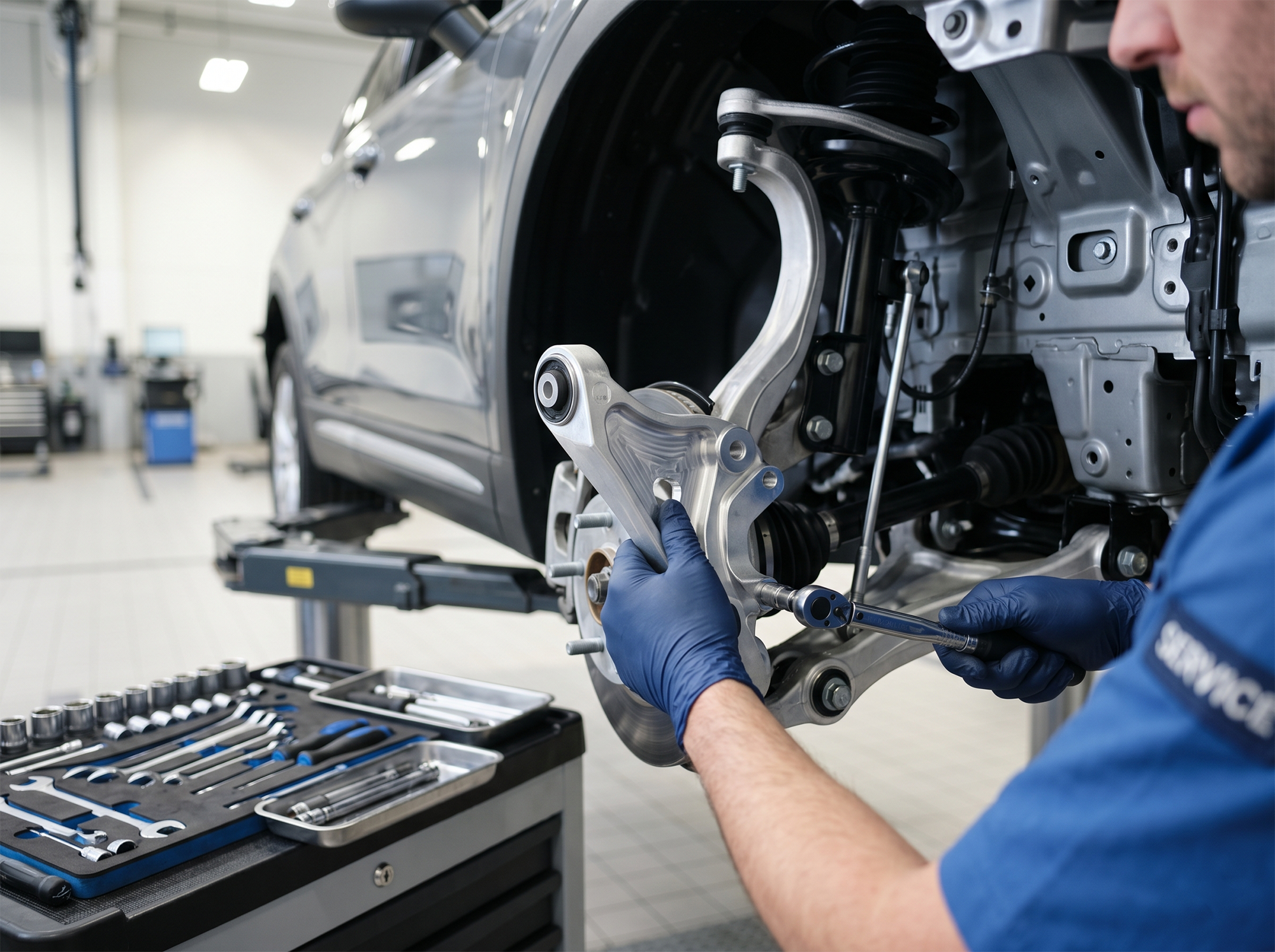
The correct part should fit the vehicle, match the system, and support the repair without avoidable guesswork.
Safety Systems
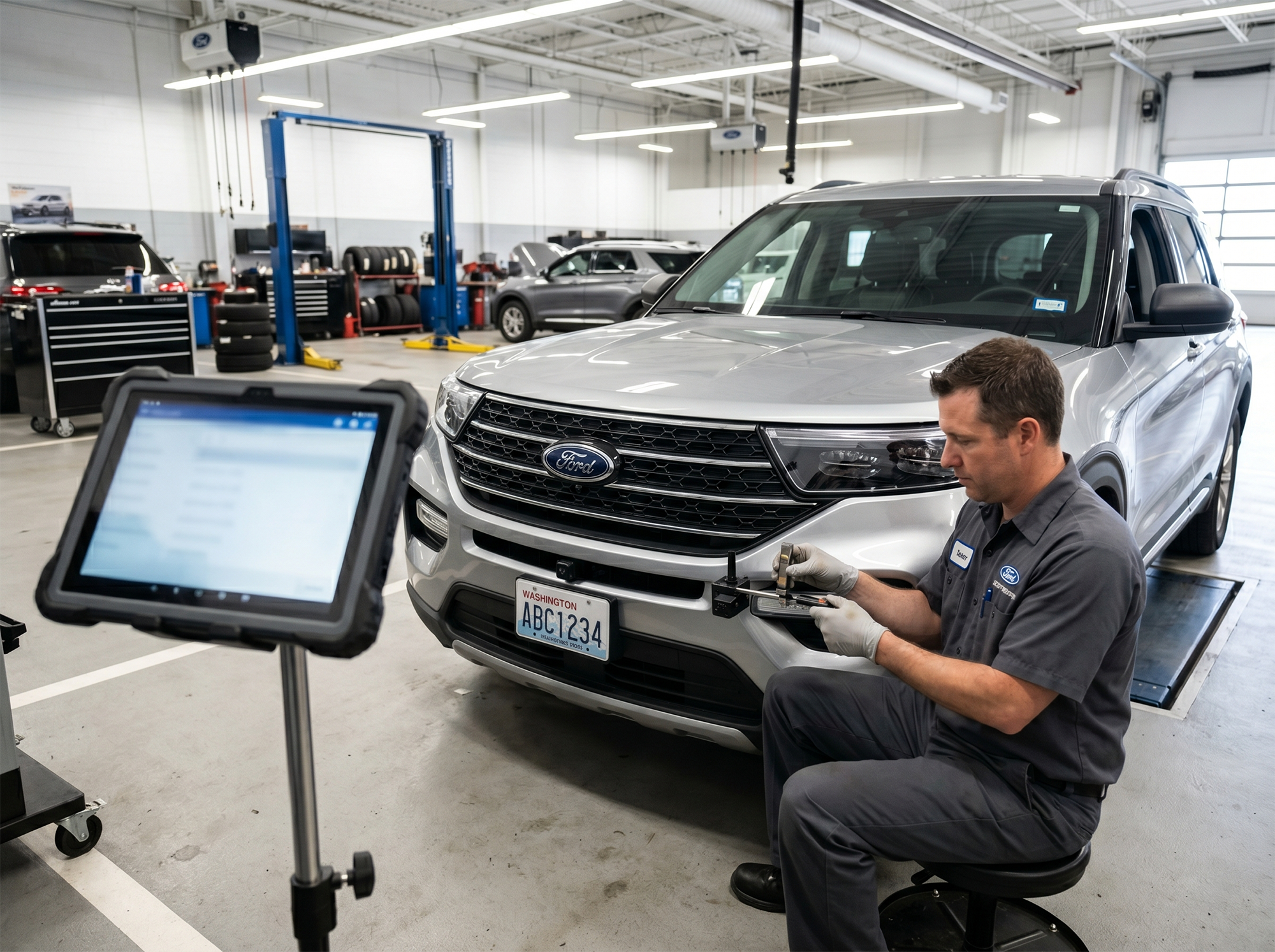
Modern vehicles depend on sensors, electronics, calibration, braking, steering, and driver-assist systems that can be sensitive to part choice.
Service Records
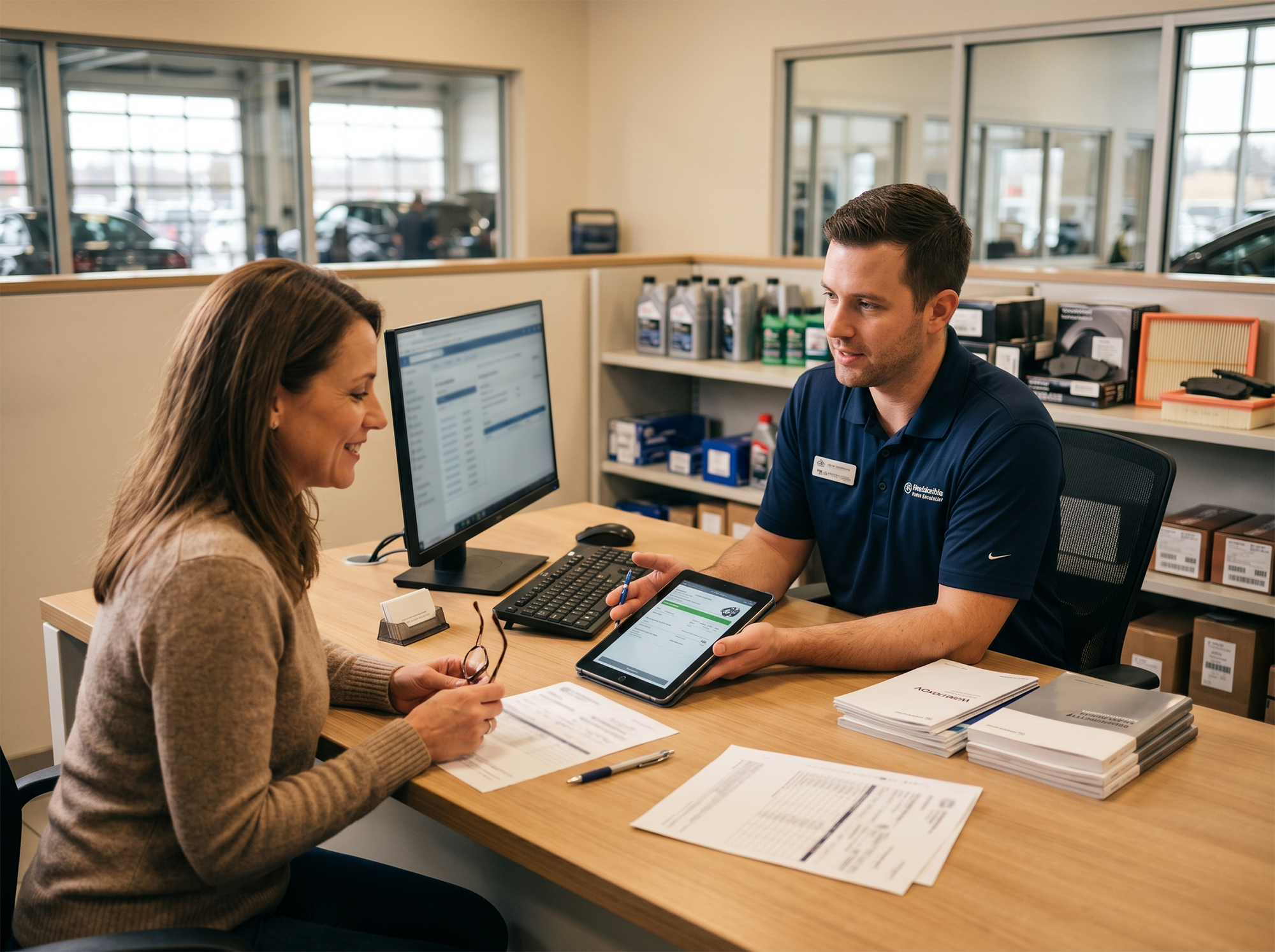
Dealer service and documented parts choices can support a clearer maintenance history over the life of the vehicle.
Need Help Choosing a Ford Part?
Provide your VIN, model year, trim, engine, drivetrain, and a description of the repair. Fugate Ford can help identify the right Ford part or explain service options.
When OEM Parts Matter Most
OEM parts can be especially important when a repair affects safety, drivability, electronics, fitment, warranty-related questions, or long-term reliability. Brakes, batteries, transmission components, diesel service parts, sensors, filters, belts, hoses, steering components, and vehicle-specific accessories may all benefit from careful parts selection.
Fugate Ford can help you compare part options for Ford F-150, Super Duty, Bronco, Explorer, Expedition, Maverick, Ranger, Mustang Mach-E, Transit, and other Ford models. For truck owners, correct parts can be especially important when towing, hauling, or using the vehicle for work.
- Brake, steering, suspension, and safety-related repairs
- Battery, electrical, sensor, and diagnostic concerns
- Transmission, diesel, cooling, and drivetrain service
- Filters, fluids, belts, hoses, and routine maintenance parts
- Ford truck accessories and model-specific fitment questions
The Lowest Price Is Not Always the Lowest Cost
A cheaper part may look appealing up front, but the full cost of a repair includes fit, labor time, durability, compatibility, repeat repairs, and the confidence that the right part was used. If an aftermarket part does not fit correctly or creates another issue, it may cost more over time.
Fugate Ford can help you understand the difference between part price and repair value so you can make a more informed decision for your Ford.
Ford Parts and Service Support in Enumclaw
Fugate Ford supports local drivers with parts, accessories, maintenance, diagnostics, and repair. Whether you are ordering a part yourself or scheduling service for installation, our team can help connect the repair need with the correct parts path.
OEM vs Aftermarket Parts FAQ
Are OEM parts always better than aftermarket parts?
Not always, but OEM parts are designed with the vehicle in mind and can be the better choice when fit, compatibility, warranty support, or system performance matters.
Can Fugate Ford help me order the correct part?
Yes. Provide your VIN and vehicle details so the parts team can help identify the correct Ford or Motorcraft part.
Can the service department install parts?
In many cases, yes. Schedule service if you need installation, diagnosis, maintenance, or repair support.
Do OEM parts matter for modern safety systems?
They can. Sensors, braking, steering, driver-assist technology, and electronic systems may depend on correct fit and compatibility.